








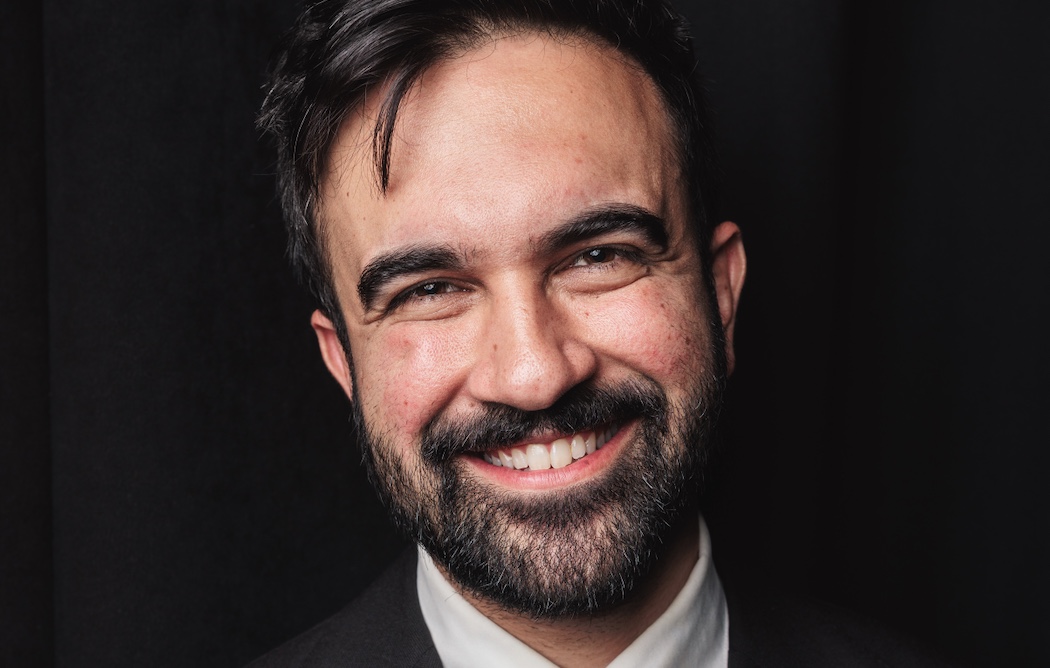
New York City is America’s economic capital. It is home to Wall Street, Fortune 500 headquarters, and nearly nine million residents. When this center of global capitalism chose to elect Zohran Mamdani, a Muslim democratic socialist, as mayor, the world took notice. His victory shattered long-standing political assumptions and revealed something far more powerful than ideology: affordability had become the defining issue in New York politics.
Breaking Barriers: How Mamdani Won:
Mamdani’s victory was not powered by identity politics alone, it was powered by affordability.
Conventional wisdom suggested that a Muslim democratic socialist would struggle to assemble a broad coalition in America’s largest city. Instead, he built one that crossed racial, economic, and religious lines by centering every message around one issue: the rising cost of living.
One of the biggest surprises came from Black voters. During the general election, Mamdani won 63% of the vote in districts where at least 40% of eligible voters were Black, reversing one of the biggest weaknesses from his primary campaign. It demonstrated that concerns about housing costs, wages, and affordability ultimately outweighed ideological labels for many voters.
Even more remarkable was how his coalition stretched across income levels. Exit polling found that he won 51% of voters in neighborhoods where median household income exceeded $125,000 while also winning 52% in neighborhoods earning under $45,000. This broad support challenged the argument that his platform would appeal only to lower-income New Yorkers or alienate wealthier residents.
Perhaps the most politically significant breakthrough came from within New York’s Jewish community. While former Governor Andrew Cuomo remained stronger in many Orthodox neighborhoods, Mamdani attracted younger Jewish voters and earned the endorsement of Rabbi Moshe Indig, a respected leader within the Satmar Hasidic community. Those endorsements complicated predictions that his faith would become a political liability.
His coalition was ultimately built not around religion but around a promise: making New York affordable again. In a political climate where Islamophobia remains a reality, voters chose to evaluate Mamdani on the policies he proposed rather than the faith he practiced.
Campaign Trail to City Hall:
Winning an election is one challenge. Governing is another.
Within days of taking office, Mamdani began advancing the affordability agenda that defined his campaign.
One of his first priorities was expanding access to childcare. His administration launched a universal 2-K program providing free childcare for two-year-olds while outlining plans to expand access to 3-K. Framing childcare as essential infrastructure rather than a private expense, the administration secured a $1.2 billion commitment from Governor Kathy Hochul to begin implementation.
Housing quickly became the second pillar of his agenda. Mamdani appointed allies to the Rent Guidelines Board, pursued stronger enforcement against landlords with repeated housing code violations, and proposed freezing rents on regulated apartments. Whether those efforts ultimately succeed remains uncertain, but the administration made clear that tenants—not property owners, would become the center of City Hall’s housing priorities.
His administration also sought to prove that progressive government could still deliver basic municipal services. Mamdani appeared alongside city workers filling potholes while announcing that more than 100,000 potholes had been repaired during the administration’s opening months. The image was intentional: ambitious policy goals would not come at the expense of competent governance.
Additional proposals, including fare-free buses, city-owned grocery stores, and expanded tenant protections, remain in various stages of development. Their long-term effectiveness has yet to be determined, but together they reflect an administration attempting to redefine what local government should provide.
Mamdani’s victory represents more than the election of New York City’s first Muslim mayor. It reflects a political realignment driven less by identity than by economic frustration.
His campaign demonstrated that concerns over housing costs, childcare, transportation, and affordability could unite voters across race, religion, and income. Whether that coalition endures will depend not on campaign speeches but on results.
The election answered one question: New Yorkers were willing to embrace an unconventional candidate. The harder question now is whether they will conclude that his vision for governing delivers on the promises that brought him to office.